
 This post was updated on June 26, 2015 to reflect the Supreme Court’s decision in Obergefell v. Hodges, which struck down all state bans on same-sex marriage.
The Treasury Department and the IRS announced on August 29, 2013 that all legal same-sex marriages will be recognized for federal tax purposes. On September 18, 2013, the Department of Labor took the same position for purposes of the Employee Retirement Income Security Act of 1974 (“ERISA“). The announcements and corresponding revenue ruling
Because employee benefit plans are extensively regulated by federal law, this announcement means that all employers will be required to recognize such marriages for many employee benefits purposes. Conversely, employers in states that treat civil unions or domestic partnerships as if they were marriages will nevertheless be forbidden from treating such arrangements as marriages for certain employee benefits purposes. However, the precise impact will depend on whether the plan is subject to ERISA or whether it is a governmental or church plan exempt from ERISA. The chart below sets forth areas in which the announcement will affect the operation of different types of plans.
 In recent years, the Internal Revenue Service (“IRS”) has been allowing plan sponsors to request determination letters on the qualified status[foot]A “qualified” plan is a retirement plan that meets all of the requirements of Internal Revenue Code section 401(a) to obtain certain tax benefits. There are alternative ways of obtaining favorable tax status for a retirement plan, such as Internal Revenue Code section 403(b) (tax-sheltered annuities and custodial accounts), 457(b) deferred compensation plans, or individual retirement accounts or annuities. The determination letter process applies only to qualified plans.[/foot] of their retirement plans only during certain periods (cycles). For individually designed[foot]Prototype (volume submitter) plans designed for adoption by a variety of employers are subject to different deadlines, which vary depending on whether they are defined benefit or defined contribution plans. However, such plans are rare in the governmental context.[/foot] governmental plans,
  Judge Steven W. Rhodes of the U.S. Bankruptcy Court for the Eastern District of Michigan had now issued an opinion stating that the bankruptcy proceedings for the City of Detroit can go forward.
 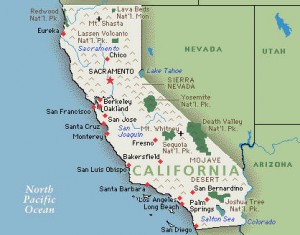 A California statewide ballot initiative proposal,
  Carol V. Calhoun‘s article, “