
 The Pension Research Council of The Wharton School of the University of Pennsylvania has done a study on the effects of Utah’s change in its pension system. Before the change, employees participated in a defined benefit plan. Employees hired after the change were given a choice between a hybrid (defined benefit/defined contribution) plan or a straight defined contribution plan. Those who failed to make a choice were automatically assigned to the hybrid plan. In general, either of the new plans was less generous than the old defined benefit plan.
In general, the Pension Research Council found that employees hired after the change had greater turnover than those hired before the change. Moreover, those electing into the hybrid plan were more likely to stay with the employer than those electing into the defined contribution plan. Those who defaulted into the hybrid plan had the highest turnover.
The Pension Research Council concluded that while the change may have saved the state money in pension costs, “public pension reformers must consider employee responses, in addition to potential cost savings, when developing and enacting major pension plan changes.”
 Immediately after the Supreme Court’s decision in
  This post was updated on June 26, 2015 to reflect the Supreme Court’s decision in
  In recent years, the Internal Revenue Service (“IRS”) has been allowing plan sponsors to request determination letters on the qualified status
 The
The  Highlights of
 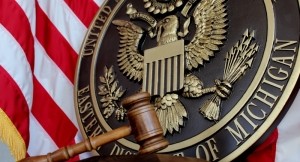 Judge Steven W. Rhodes of the U.S. Bankruptcy Court for the Eastern District of Michigan had now issued an opinion stating that the bankruptcy proceedings for the City of Detroit can go forward.
 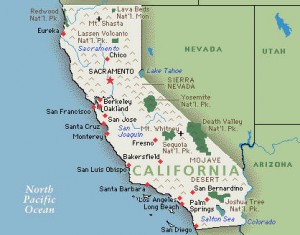 A California statewide ballot initiative proposal,